

Humanities in the Age of AI: Meaning, Ethics, and the Human Edge

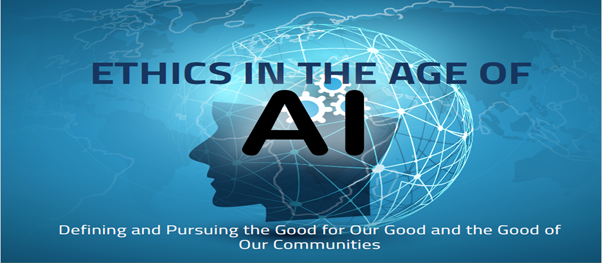
In today’s rapidly evolving world, where artificial intelligence, automation, and data science are transforming every industry, the humanities often find themselves sidelined in conversations about the future. The focus on STEM fields—Science, Technology, Engineering, and Mathematics has overshadowed the disciplines that study the human experience. However, in the face of these advancements, the humanities offer irreplaceable tools for understanding, contextualizing, and guiding this change.
They teach us not just how to build, but why to build; not just how to code, but how to communicate; not just how to progress, but how to do so responsibly. This expanded exploration highlights the essential role of the humanities in shaping individuals, organizations, and society.
What Exactly Are the Humanities?
The humanities include a range of academic disciplines that focus on human culture, thought, and expression. These fields help us understand who we are, where we come from, and where we might be going.
- History: Studies past events to understand patterns, causes, and effects across civilizations.
- Philosophy: Investigates life’s fundamental questions about knowledge, existence, and ethics.
- Literature: Analyze written works to explore human emotions, conflicts, and societal values.
- Languages and Linguistics: Examines how language shapes thought and enables cultural exchange.
- The Arts: Includes visual arts, music, drama, and dance modes of creative and emotional expression.
- Religious and Cultural Studies: Explores belief systems, traditions, and social norms.
These subjects promote curiosity, self-awareness, and open-mindedness, encouraging us to explore diverse perspectives and develop a deeper understanding of the human experience
Why the Humanities Matter More Than Ever
In an age driven by technology, speed, and measurable outcomes, the humanities bring depth, reflection, and moral grounding.
- Ethical Oversight: Humanities disciplines like philosophy and ethics help evaluate the moral implications of AI, genetic editing, and surveillance technologies.
- Cultural Awareness: Linguistics, history, and anthropology foster cultural sensitivity, reducing bias and conflict in global interactions.
- Empathy and Perspective: Literature and the arts put us in others’ shoes, helping develop emotional intelligence and empathy.
- Contextual Thinking: Historians and cultural critics help frame current events within larger patterns of human behavior.
- Balanced Decision-Making: Humanities-trained thinkers often weigh social, historical, and ethical dimensions before acting.
Rather than being outdated, the humanities provide timeless insights that anchor fast-moving technological and social changes.
Humanities and Modern Technology: A Vital Partnership
The digital revolution needs the humanities to ensure it remains human-centered and inclusive.
- User-Centered Design: Writers and designers bring human narratives to interface development, making tech intuitive and engaging.
- AI and Language: Linguists contribute to natural language processing and improve human-AI communication.
- Cyber Ethics: Philosophers help formulate the moral rules for AI decision-making and data privacy.
- Digital Storytelling: Artists and authors harness technology to create immersive, interactive narratives.
- Responsible Innovation: Ethics scholars consult on the societal impact of new inventions.
Technology may build tools, but the humanities ensure those tools are used wisely and justly.
Career Paths Enriched by the Humanities
Humanities graduates are not limited to academia. Their skill sets are valuable across diverse professions.
- Law: Critical thinking, argumentation, and ethical reasoning are foundational.
- Education: Teaching literature, history, or philosophy shapes young minds and promotes civic values.
- Media and Journalism: Clear communication, narrative skills, and cultural literacy are essential.
- Marketing and PR: Understanding human behavior and crafting persuasive messages are central.
- Public Policy: Humanities graduates analyze social issues and frame thoughtful solutions.
- International Relations: Language skills and cultural understanding aid diplomacy.
- Technology: Roles in UX design, tech ethics, and communications are enriched by humanities knowledge.
The Power of Humanities Skills
In an age of rapid automation and artificial intelligence, the value of uniquely human abilities has never been more essential. Humanities graduates bring to the table a rich set of skills that machines no matter how advanced cannot replicate. These skills are not only timeless but increasingly vital in dynamic, unpredictable environments. Here’s what they offer:
- Critical Analysis: Humanities graduates excel at evaluating arguments, identifying logical fallacies, and dissecting complex ideas. They can sift through ambiguity to extract meaning and context, making them invaluable in roles that require informed judgment, strategic thinking, and decision-making under uncertainty.
- Effective Communication: From crafting compelling narratives to presenting ideas with clarity and impact, humanities-trained individuals understand how to connect with others through language. They are skilled writers and articulate speakers who can adapt their tone, style, and message for different audiences a crucial skill in leadership, diplomacy, marketing, and education.
- Creativity and Innovation: Exposure to literature, philosophy, art, and history fosters an ability to see the world through diverse lenses. Humanities graduates often approach problems with curiosity and imagination, thinking outside conventional frameworks to propose novel solutions. They bring fresh perspectives that drive innovation in fields from technology to social entrepreneurship.
- Moral Reasoning: Understanding ethical frameworks and grappling with complex moral dilemmas equips humanities students to make principled decisions. Whether navigating corporate responsibility, public policy, or medical ethics, they are trained to consider the human impact of choices, not just the bottom line.
- Cultural Fluency: With a deep appreciation for different histories, languages, and worldviews, humanities graduates are adept at working across cultures. They understand nuance, context, and the importance of inclusion, making them natural bridge-builders in global organizations and diverse teams.
- Emotional Intelligence: Grounded in empathy and self-awareness, humanities training fosters the ability to read social cues, manage interpersonal dynamics, and build authentic relationships. These skills are essential for effective leadership, collaboration, and conflict resolution.
Together, these abilities form a toolkit that is not only relevant in today’s workforce but resilient in the face of future change. In a world where machines can process data but not meaning, where algorithms can optimize but not empathize, the humanities remind us what it means to be human and why that matters.
Humanities in the Business World
Far from being a liability, a background in the humanities is increasingly recognized as a powerful asset in the modern business landscape. In an environment where technology evolves rapidly and data is abundant, it’s the human-centered skills those developed through the study of literature, history, philosophy, and the arts that set great business leaders apart. Here’s how:
- Leadership Development: The study of history and philosophy cultivates thoughtful, ethical leadership. Humanities graduates are trained to analyze complex human behavior, learn from past events, and weigh competing values. This equips them to lead with integrity, empathy, and long-term vision qualities essential in today’s socially conscious business world.
- Brand Building: Great brands tell compelling stories. Humanities students are skilled storytellers, able to craft narratives that resonate with audiences on an emotional level. Whether developing a brand identity or launching a product, their ability to connect meaning with message helps businesses stand out in crowded markets.
- Consumer Psychology: Through the study of symbols, language, and cultural narratives, humanities graduates understand how people think, feel, and make decisions. This insight is crucial for creating marketing campaigns that tap into deeper human desires and values not just surface-level trends.
- Team Management: The humanities foster cultural sensitivity, emotional intelligence, and a deep understanding of human relationships. These strengths are essential in building inclusive teams, navigating workplace dynamics, and leading diversity, equity, and inclusion (DEI) efforts with authenticity and impact.
- Strategic Thinking: Humanities disciplines emphasize critical thinking, pattern recognition, and systems-level analysis. This enables graduates to approach challenges from multiple angles, anticipate long-term consequences, and make informed decisions that balance risk, innovation, and sustainability.
In a world flooded with information, what matters most is not just data, but meaning. Humanities graduates bring the interpretive skills, ethical grounding, and communication abilities that turn raw information into insight and insight into action. Their contributions are not only relevant to business they’re indispensable.
Education: Bridging STEM and the Humanities
In a rapidly evolving world, education must prepare students not only to solve problems efficiently but to understand them deeply. While STEM (Science, Technology, Engineering, and Mathematics) provides the technical foundation for innovation, the humanities offer the ethical insight, cultural awareness, and human-centered thinking needed to guide that innovation responsibly. A truly balanced education bridges these domains, creating thinkers and doers equipped for a complex future.
- Curriculum Integration: Forward-thinking institutions are designing courses that blend technical skills with humanistic inquiry like pairing engineering with ethics, or teaching coding through the lens of storytelling. These hybrid approaches encourage students to consider not only how technology works, but why it matters and who it affects.
- Liberal Arts Education: The liberal arts model emphasizes a broad, interdisciplinary education that fosters curiosity, creativity, and personal growth. Rather than narrowing into one specialization too early, students explore diverse subjects, building intellectual agility and lifelong learning habits.
- Project-Based Learning: Innovative educational models now center on real-world projects that require research, writing, collaboration, and the use of digital tools. This method mirrors the demands of the modern workplace, where teams must synthesize data, communicate ideas clearly, and adapt quickly.
- Global Citizenship: A well-rounded education includes exposure to different cultures, perspectives, and global issues. Humanities courses help students understand their role in an interconnected world, promoting empathy, respect, and the ability to navigate complexity across borders.
- Values-Based Learning: By engaging with literature, philosophy, history, and the arts, students learn to think critically about values, justice, and civic responsibility. They are encouraged not just to ask “Can we do this?” but also “Should we?”
In today’s world, efficiency alone is not enough. We need graduates who can balance logic with empathy, innovation with responsibility, and precision with purpose. Bridging STEM and the humanities equips students to thrive not just as workers, but as thoughtful, ethical, and engaged human beings.
Global Impact of the Humanities
In a world marked by diversity, conflict, and rapid change, the humanities serve as a vital bridge across cultures and continents. Their influence extends far beyond academic settings they shape global conversations, preserve cultural heritage, and promote understanding in ways that no algorithm or policy alone can achieve. The humanities are a foundation for shared values, mutual respect, and global cooperation.
- Preserving Identity: The humanities play a crucial role in maintaining the cultural fabric of societies. Through the study and preservation of language, folklore, music, literature, and traditional practices, communities hold onto their unique identities in the face of globalization. This cultural continuity fosters pride, resilience, and a sense of belonging.
- Promoting Dialogue: By teaching empathy, open-mindedness, and historical context, the humanities help bridge divides. Literature, philosophy, and religious studies, among others, encourage cross-cultural understanding and facilitate dialogue essential tools in building peace and reducing conflict.
- Countering Extremism: Humanities education promotes historical awareness, ethical reasoning, and critical media literacy. These are powerful defenses against radicalization, misinformation, and ideological manipulation. When individuals can question, contextualize, and analyze what they see and hear, they become less vulnerable to extremism.
- Strengthening Democracy: The humanities uphold the principles of free expression, critical thinking, and public debate. A strong democratic society relies on citizens who can reason independently, articulate their views, and respect differing opinions. By encouraging these habits of mind, the humanities become a pillar of civic life.
- Improving Diplomacy: From international relations to humanitarian work, diplomacy depends on cultural awareness, sensitivity, and communication. Humanities disciplines train individuals to understand different worldviews, negotiate respectfully, and navigate the subtle dynamics of cross-cultural engagement.
In an increasingly interconnected world, the humanities are not a luxury they are a necessity. They are the glue that binds global communities, helping us to find common ground, honor our differences, and move forward together. Through the humanities, we don’t just understand the world we learn how to live in it with integrity and compassion.
Humanities and Social Challenges
The most urgent challenges of our time climate change, inequality, mental health, migration, and digital disconnection are not purely technical problems. They are deeply human issues that demand more than scientific data or technological fixes. They require empathy, historical insight, ethical reflection, and cultural understanding. This is where the humanities play a vital role.
- Climate Change: While science helps us understand the mechanisms of climate change, it is the humanities that frame the moral and social context. Environmental ethics encourages us to ask not just what we can do, but what we ought to do. Literature, art, and communication strategies also help translate complex data into stories that move people and shape public policy.
- Social Justice: Humanities disciplines like literature, history, and philosophy reveal the roots of social inequality and systemic injustice. By giving voice to marginalized perspectives and documenting past struggles for rights and dignity, the humanities inspire action, reflection, and reform. They cultivate the moral imagination needed for a more equitable world.
- Mental Health: Artistic expression through writing, music, theater, and visual arts provides powerful tools for healing and self-understanding. The humanities create space for people to explore trauma, emotion, and identity in ways that foster resilience and empathy, both in therapeutic settings and public life.
- Migration and Identity: In an era of mass displacement and cultural tension, cultural studies, anthropology, and history help us understand the lived experiences of migrants and refugees. The humanities challenge stereotypes, humanize global migration, and explore how identity is shaped by movement, memory, and adaptation.
- Digital Overload: As digital technology permeates every aspect of life, issues of distraction, burnout, and disconnection have become widespread. Philosophy, ethics, and mindfulness practices drawn from religious and cultural traditions provide tools to reflect on our relationship with technology, helping individuals and societies find balance and meaning in a hyperconnected world.
Ultimately, today’s most complex social problems require more than facts they demand understanding. The humanities bring meaning to data, emotion to policy, and values to innovation. They remind us that to build a better world, we must not only know more we must also care more.
Future-Proofing Careers with Humanities
As automation, artificial intelligence, and digital transformation continue to reshape the global workforce, the most valuable professionals will be those who bring more than just technical expertise to the table. While machines can optimize tasks, they cannot replicate human insight, empathy, or ethical reasoning. Humanities graduates are uniquely prepared for this future not in spite of their backgrounds, but because of them.
- Resilience in Change: Humanities disciplines train individuals to navigate uncertainty, grapple with complex ideas, and adapt to shifting paradigms. Whether interpreting ambiguous texts or analyzing evolving social dynamics, humanities graduates are practiced in managing change with composure and critical thinking an essential skill in fast-moving industries.
- Creativity Amid Routine: As automation takes over repetitive tasks, creativity becomes a defining human advantage. The humanities foster imagination through exposure to diverse cultures, stories, and philosophies. This creative capacity is key to innovation, problem-solving, and envisioning new possibilities in every field from design to business strategy.
- Leadership in Transition: Successful leadership in the 21st century demands more than technical know-how it requires emotional intelligence, cultural literacy, and ethical clarity. Humanities-trained leaders excel at guiding teams through periods of transformation, making values-based decisions, and communicating a compelling vision of the future.
- Collaborative Thinking: The ability to build bridges between disciplines, departments, and individuals is a hallmark of humanities education. With a strong foundation in communication and empathy, these professionals foster inclusive collaboration, encourage dialogue, and unite diverse perspectives toward common goals.
- Lifelong Learning: Curiosity, reflection, and intellectual openness are core to the humanities mindset. This orientation toward lifelong learning makes humanities graduates exceptionally adaptable ready to acquire new skills, explore emerging fields, and grow alongside an ever-changing world.
In the age of machines, what will truly set professionals apart is their ability to understand, connect, and lead with purpose. The future belongs to those who combine technological proficiency with human understanding and the humanities offer the tools to do exactly that.
Call to Action
In a world of exponential change, the humanities provide the depth, insight, and soul we need to thrive not just survive. They help us:
- Understand ourselves and others.
- Act with compassion and courage.
- Create meaning in a complex, fast-paced world.
- Imagine better futures rooted in justice and hope.
- Make choices that reflect our deepest values, not just our highest profits.
Investing in the humanities is investing in people. As we build smarter machines and faster networks, we must also build wiser societies. Whether you’re a scientist, teacher, entrepreneur, or artist, the humanities are your foundation for leading with heart, mind, and integrity.
In the end, the question isn’t whether we can afford to prioritize the humanities—it’s whether we can afford not to.